
Description
Introduction to Waerebo Village
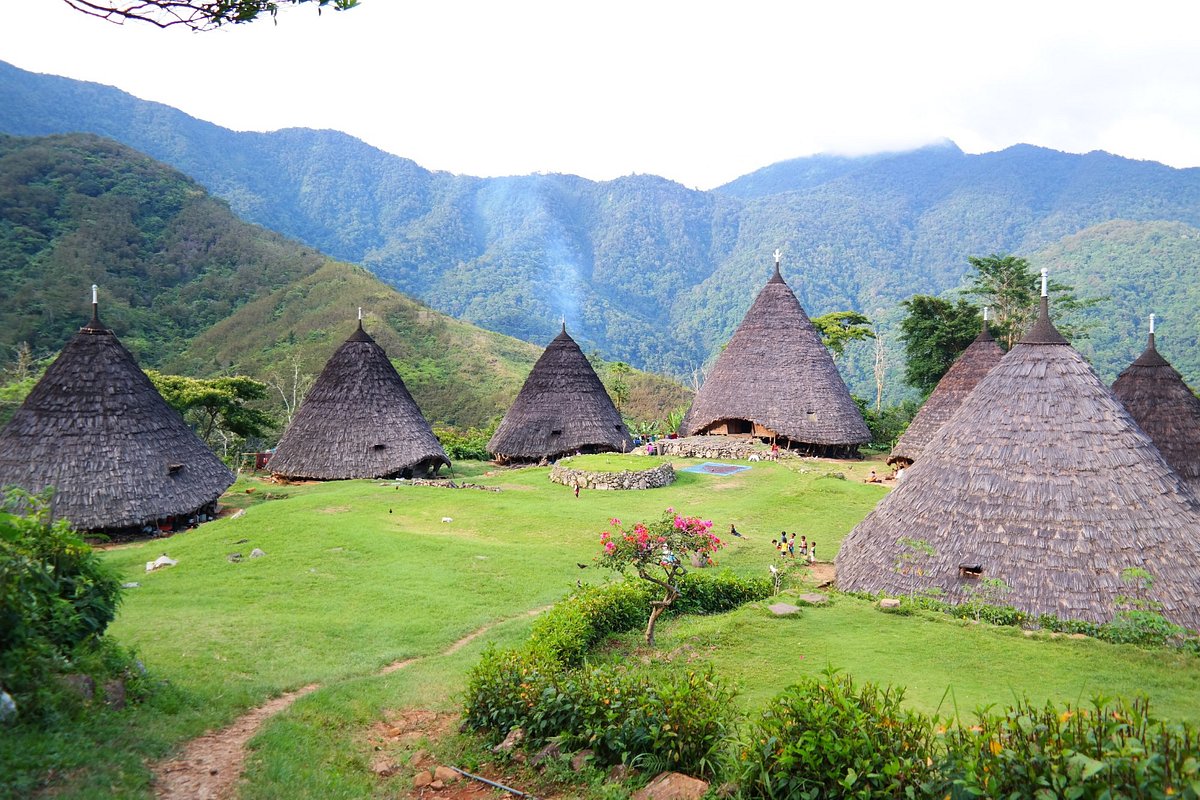
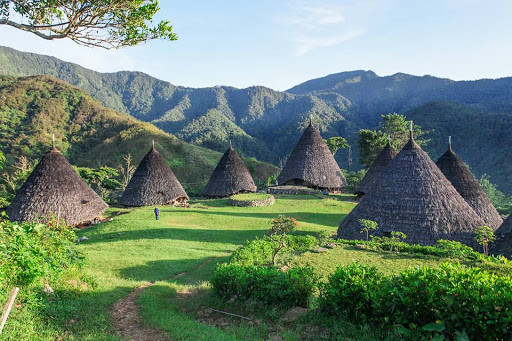
Wae Rebo Village is one of the tourist objects located in Manggarai Regency, West of Flores Island in Indonesia. That village is located about 1.200 meters above sea level. Wae Rebo is a hidden (most isolated) and remote traditional village. That village is surrounded by hills and valleys. To go to that village the visitor must hike up Pocoroko Mountain. Its needed 3 to 4 hours to trek up.
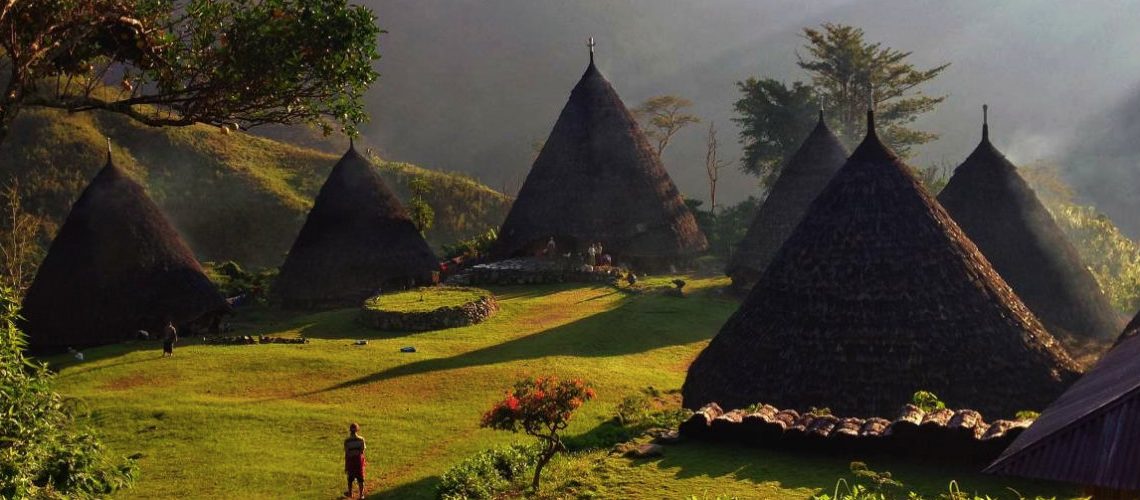
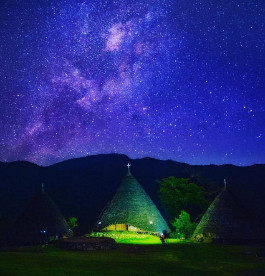
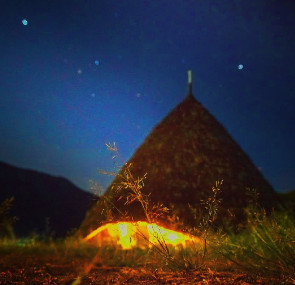
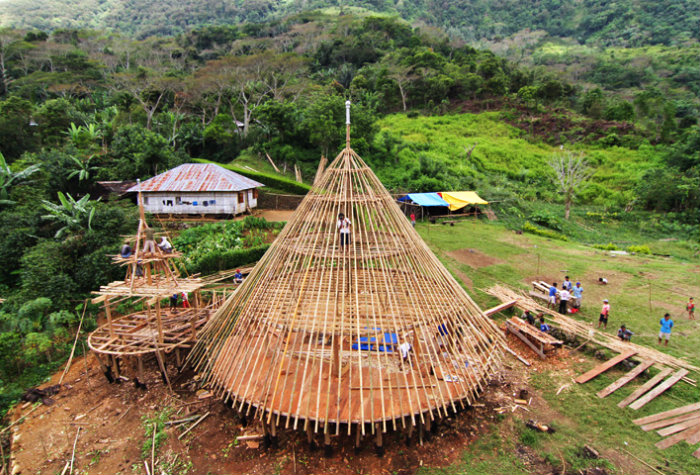
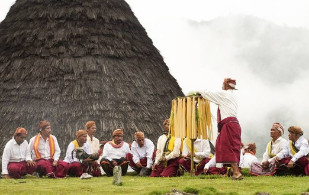
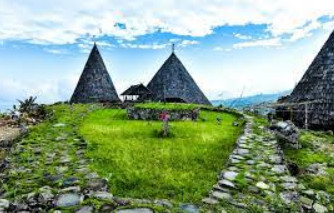
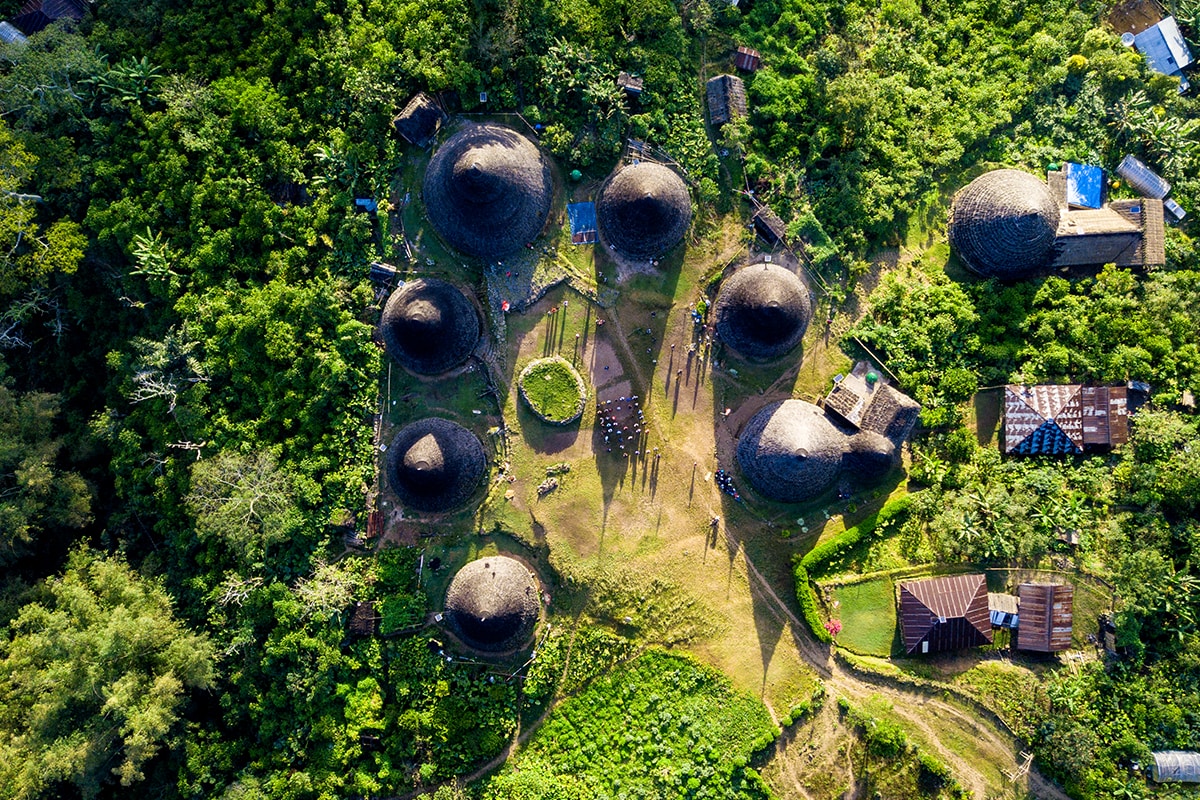
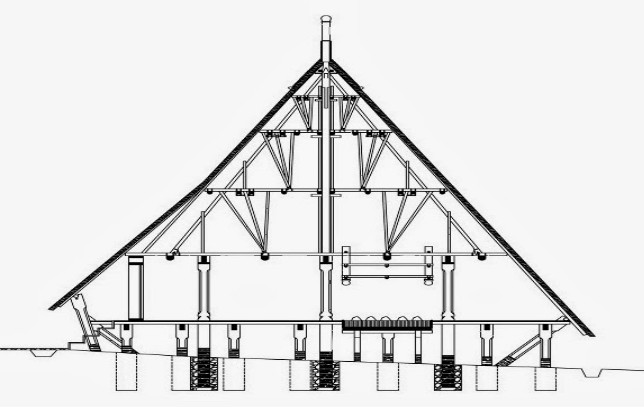
Wae Rebo is an old Manggaraian village with unique traditional houses. In Wae Rebo, the houses are isolated and reside at the top of the hill, with only 7 houses that have been passed and preserved throughout 18 generations. These traditional houses are commonly called Mbaru Niang. These traditional houses have distinctive architecture left by the ancestors of the Wae Rebo community. Mbaru Niang is a house built with an architecture that is different from other house buildings because it has the authenticity of the architecture of the buildings with conical in shape and towers upward rooftop.
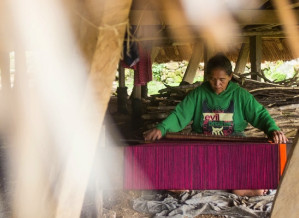
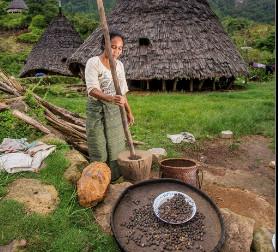
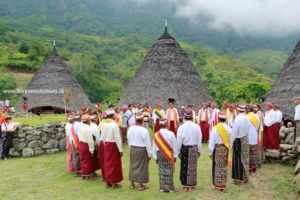
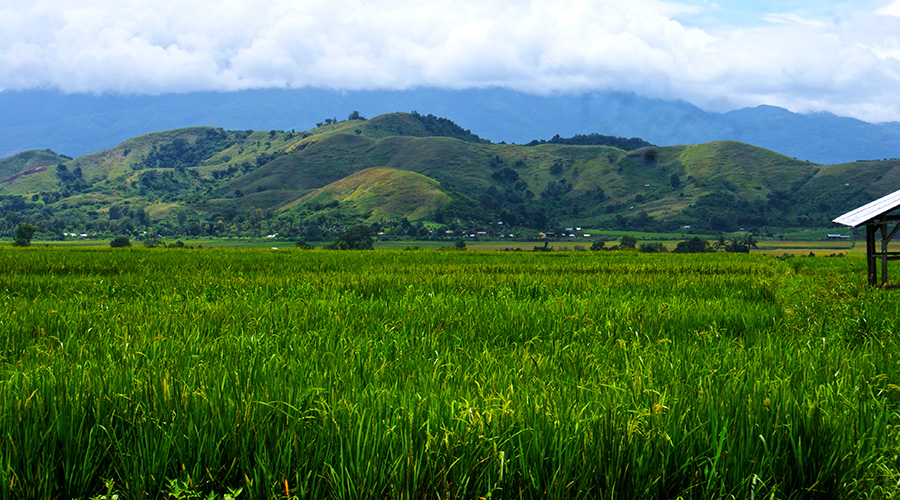
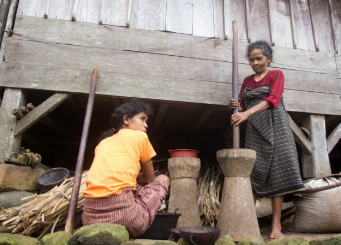
Besides offering a unique opportunity to see authentic Manggarai housing, that village also offers visitors the to experience the everyday life of the local community. Most of the locals here are Catholic and some of them still adhere to the old beliefs. The locals live by selling agricultural products such as coffee, vanilla, clove, and cinnamon that they plant around the village. Besides that, they also planted cassava and maize (corn) around for their main diet. Most of the locals work in their gardens from early morning until dawn, being busy harvesting the coffee and processing the beans. Even though weaving art is not a major activity, visitors can also find local women weaving traditional cloth.
Cultural information
Houses used to be much more than a shelter to the Manggarai. They were used as an expression of identity and belonging. Homes were able to symbolize kinship and marriage relations, as well as patrilineal descent. Entire clans used to inhabit a single house with generations living side by side.
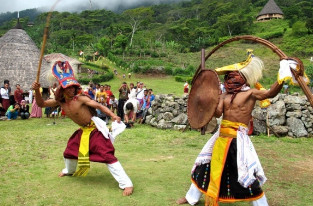
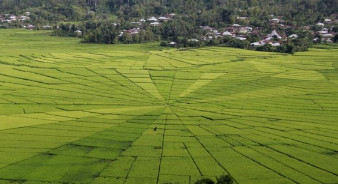
The Manggaraian survival and main income come from agriculture. The main staples are rice and corn for income and consumption. This is supplemented by coconuts, cinnamon, coffee, and tobacco. Spider web rice fields are a practice they employ. These began long ago when they relied on dry rice farming. The center of the rice field was used for ceremonies and the land was doled out to families depending on their size. The Manggaraian have many festivals for many different occasions. Animal sacrifice, sword fighting (or Caci), blessings, music, and costumes are all used depending on the event.
As reflected in the forms and meanings of language used in the folktale, in the cultural conceptualization of the Manggarai people, the first human beings were a man and a woman. Both the man and the woman emerged from plants when the rays of the sun from the sky shone down on the earth and hit a climb of bamboo high on a mountain top. The sky refers to ema eta ‘father above’ and the earth refers to ende mother below’. These are the two specific terms used by Manggarai people to designate the existence of God as Jari agu Dedek 'the Maker and the Nourisher'. It is conceptualized in the cognitive map or the cultural knowledge of Manggarai people that, the first human beings – a man and a woman – emerged due to the marriage of the sky as ema eta and the earth as ende wa.
Location
-
Waerebo


Add a review